






Welcome to St. Jude School May 20, 2012
 

"...the true knowledge of God...when really felt and acted on, is the means of man's highest well-being, and the security of his upward progress." Adam Gifford

Confirmation


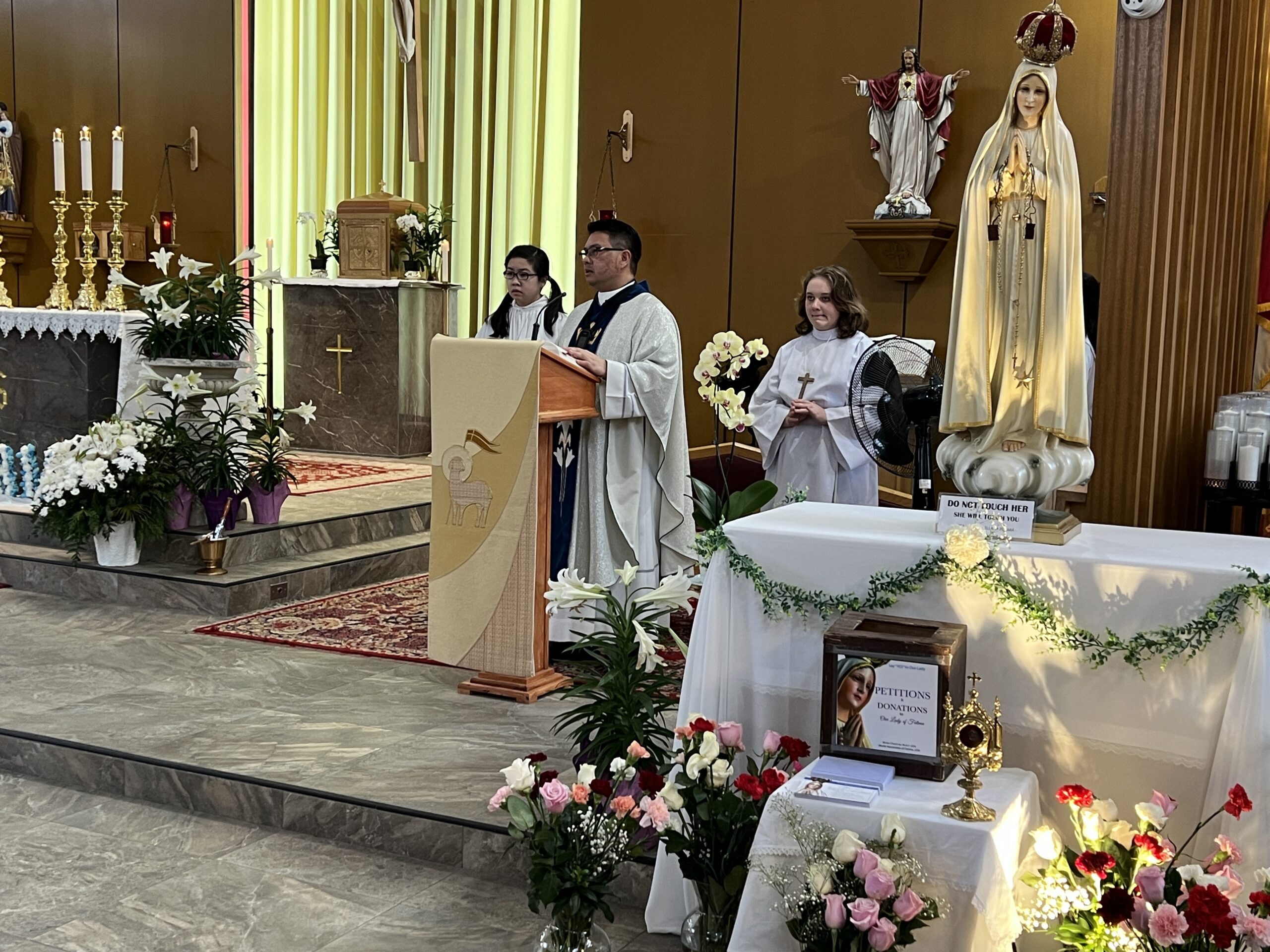
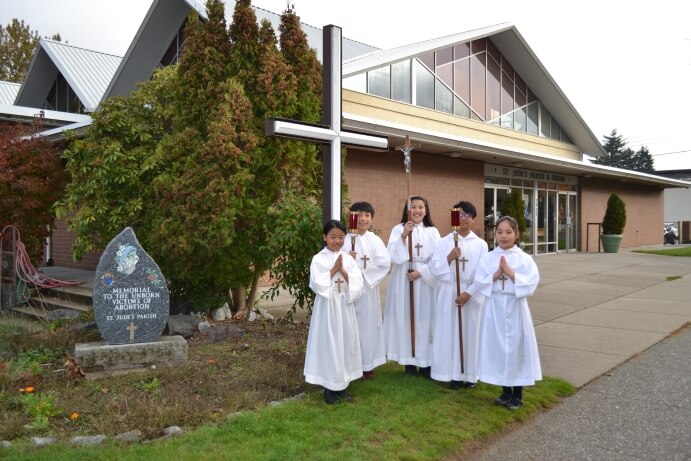
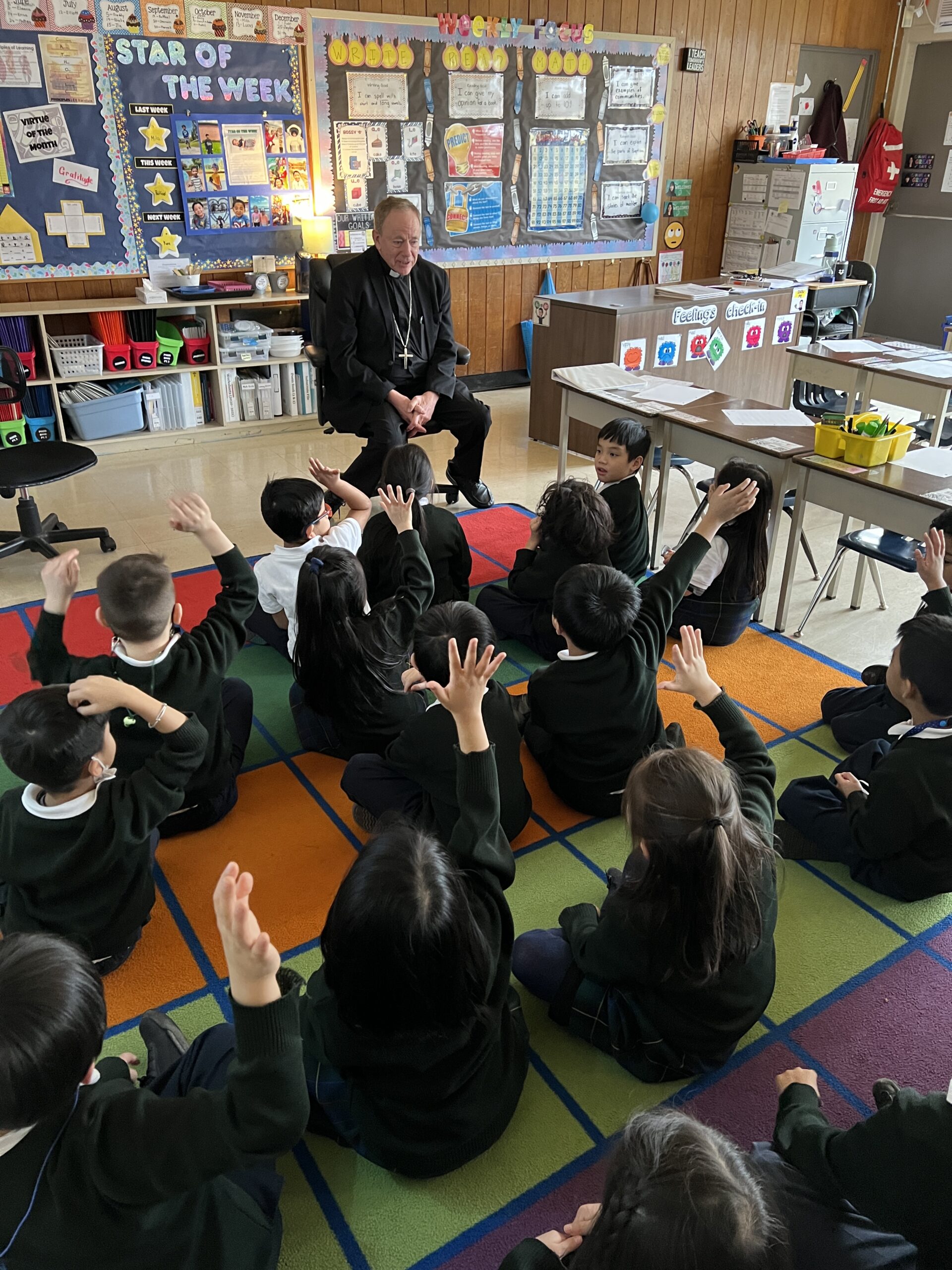
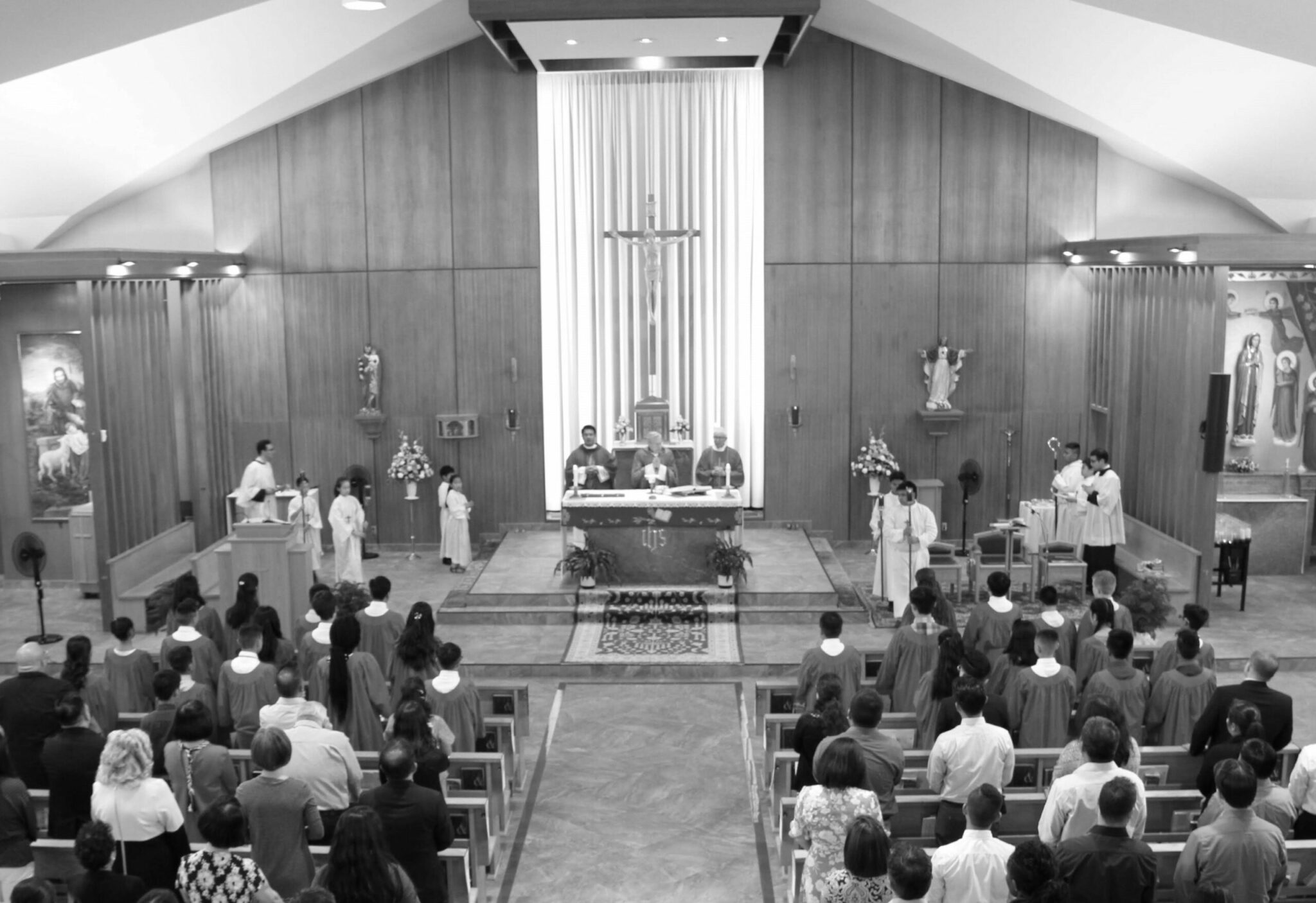
Last Tuesday the Grade Seven class received the sacrament of confirmation. During this extraordinary event the Bishop asked challenging questions but the Grade Sevens answered them with no difficulty. We were lucky to have the Bishop come to our church and give us this grand gift and bless our grotto of Mary. The Grade 7 class would like to thank all the teachers and parents that helped make this event come together . We also would like to thank Archbishop Miller for celebrating the mass and Fr. Lawrence, Fr. Tom, and Deacon Pablo for joining with him.
                                                                                                                                      Anthony and Douglas


Team Photo Order Forms

 The Panorama and Team Photos were taken very recently by our photographers (Lifetouch).  Should anyone like to order either the Panorama or a team photo, forms are available at the school office.   The deadline to order is May 25th.


Homework Club

The final day for Homework Club will be Monday, June 4th.  We wish all students well over the summer holidays and commend them for all of their hard work throughout the school year.

                                                                                                                  Mrs. Madeira and Mrs. Losna


Gutsy Walk

 Can you feel it? It's the 2012 GUTSY WALK and it's coming soon to a city

or town near you! Are you ready to show you have the guts to walk with us?

Get your walking shoes on and join the St Jude School Team in this year’s Gutsy Walk 2012.  Enjoy a 5Km walk on Sunday, June 10  with fun filled activities and food at confederation Park in Burnaby.  Registration is free. Visit www.gutsywalk.ca and join the St Jude School Team.  Click on Teams, then Find & Join a Team, then enter St Jude, click on select and enter your information, or register in person on walk day.  Walk begins at 10am. 

Together, we WILL find the cures for Crohn's disease and ulcerative colitis.
Thank you for your continued support!


  Super Bucks

We continue to need your support for the Superbucks program.  Most certificates purchased will bring at least 7% of the amount purchased directly to the school!  It’s a great way to help raise funds for the school without spending more than you would normally. When you purchase your orders by 10.00 a.m on Tuesday they will be filled by the following Tuesday. If you have questions please contact Becky at (604) 321-8098.

Thank you for your support.


Adam’s Adventure


You guys may already know that my “Make-A-Wish” wish has come true.  A few weeks ago, I went to Comox for the week and stayed in a hotel, but that of course is not the wish.  My wish was to fly in a Combat aircraft! I was supposed to be flying in a cf-18,(Bottom middle picture) but it seemed that I didn’t weigh enough to ride in it…….but I got to ride in a L-39C,(Bottom left) a jet of the Czechoslovakian air force and aerobatic team; the Russian air force used to use it too. During my stay at Comox and the Base, I saw the Snowbirds (Bottom right) , cf-18 pilots and the pilot I saw flying at the 2011 Abbotsford air show! During my flight pilot Ed McDonald turned the plane until I encountered 2Gs, which means I felt like I weighed twice as much as I normally weigh! Some pilots in combat encounter 9Gs!

The pilot asked if I wanted to fly, I declined at first…….but then realized I won’t fly jets until I’m in the air force! So, yes a fifth grader flew a jet! When you’re flying it’s hard to remember that you’re falling, just going so fast it seems like you’re not, whilst in leveled flight you’re not falling in the least. The jet I was flying was pretty quiet, inside and out! Ok, it wasn’t quiet when it started up and the cockpit hadn’t pressurized, but when it did it was dead silent. It was my first time in ANYTHING that flies too!!!

On the ground while checking out planes even the pilots were surprised when I told them “I’m pretty sure this is the aim-9 sidewinder missile, and when you fire it you say “Fox-2” The look on their faces was priceless! I met a colonel (high ranker) who gave me a coin (It’s like a medal) and even the head of the Canadian armed forces did as well. I also got myself some souvenirs from an air museum! 

“Being in the Air force is a dangerous job, but I don’t care!”

                                                                                                                                                  Adam Pearson


 Movie Night


Title Image

Before the earthquake

Seismic experts say we can expect a major destructive earthquake in British Columbia.We don't know when this will happen. But we do live in a region where some of the largest earthquakes in the world occur.

When an earthquake occurs, your first warning may be a swaying sensation if you're in a building, a sudden noise or roar. Next, vibration, quickly followed by rolling up, down, sideways, rotating. It will be scary! It may last a few seconds or go on for a few minutes. The earth won't open up and swallow you. But you could be hurt by breaking glass, falling objects, and heavy things bouncing around. Be prepared for aftershocks.

You can't prevent an earthquake. But you can:

checkbox  be prepared to avoid injury
checkbox  be prepared to minimize damage to your home
checkbox  be prepared to survive afterwards for at least 72 hours without help.

Preparing now could save your life! An earthquake could hit B.C. at any time, so start preparing by developing your family emergency plan.

Your family should prepare and practice what to do during and after an earthquake.

Plan your needs. Delegate tasks. Write down and exercise your plan. If you have no family, make your individual plan with neighbors and friends.

checkbox  Know the safe and dangerous places in your home.

Safe: under heavy tables or desks; inside hallways; corners of rooms or archways.

Dangerous: near windows or mirrors; under any objects that can fall; the kitchen... where the stove, refrigerator or contents of cupboards may move violently; doorways, because the shaking may slam the door on you. Practice taking cover.


checkbox  Train members of your family to use fire extinguishers.

checkbox  Sign up now for a first-aid course, including cardio-pulmonary resuscitation (CPR).

checkbox  Make an appointment now with your insurance broker to talk about your earthquake insurance. Check your coverage... it will affect your loss and financial ability to recover after an earthquake.

checkbox  Plan and practice evacuation.

checkbox  Talk to your children about what to do if they're at home, at school, if the quake separates your family. Become familiar with the school's earthquake plan.

Plan!

checkbox  Arrange an out-of-the-area contact. Each family member should carry the contact phone number and address. Have an alternative family rendezvous if you can't get home.

checkbox  Remind your family to rely on emergency authorities for guidance. Broadcast reports on radio and television will have instructions.

checkbox  Also remind your family members that emergency phone numbers are in the inside cover of the telephone book. But use them only in an extreme emergency. Your telephone may not work after an earthquake, or it may take a while to get a dial tone.

checkbox  Make sure each family member knows how to shut off the utilities gas, electricity and water. (Don't shut off the gas unless there is a leak or a fire. If the gas is turned off, don't turn it on again... that must be done by a qualified technician).

checkbox  Your plan should include a list of where emergency supplies and equipment are stored.

checkbox  Share your emergency plans with neighbors.

Your emergency supplies

Be prepared to be on your own without help for 72 hours or more--- at home, in your car, at work. Assemble these emergency supplies and keep them in your emergency kit, stored in a secure place, ideally accessible from outside.

checkbox  First aid kit and instruction booklet.

checkbox  Shelter- a plastic tarp, a small tent, emergency ("space") blankets, or even some large garbage bags.

checkbox  Water- at least four litres of water per person, per day, in tight-lidded non-breakable containers. That's at least 12 litres per person for a three-day supply.

checkbox  Keep a supply of water purification tablets in your emergency kit. Water also can be made safe to drink by using four drops of liquid household bleach in 41/2 litres of clear water or 10 drops in 41/2 litres of cloudy water. Replace stored tap water at least every six months.

checkbox  If the water is still running, fill a bathtub and other containers. Remember, there's water available too in a hot water tank and toilet reservoir.

checkbox  Food- keep a suply of non-perishable food handy, such as canned and dehydrated food, dried fruit and canned juices. Rotate periodically to keem them fresh. Remember a manual can opener.

checkbox  Flashlight and spare batteries. Keep the flashlight near your bed. Batteries should be separate in your kit.

checkbox  Battery AM/FM radio and spare batteries, stored seperately in waterproof bags.

checkbox  Essential medication and supplies for infants, elderly persons and those with special needs. Keep at least a one-week supply in your emergency kit. Include copies of prescriptions for your medicine and glasses.

checkbox  Personal toiletry items- toilet tissue, soap, toothpaste, toothbrush, etc.

checkbox  Class ABC fire extinguisher. Keep it in a handy location in your home, after testing according to directions.

checkbox  Wrench (crescent or pipe) to turn off natural gas. Keep it in a handy place or in your emergency kit.

checkbox  Shoes- heavy enough to protect from broken glass and other debris. Keep them handy, wherever you are.

Other items you may wish to include:

checkbox  gloves, outdoor/winter clothing

checkbox  waterproof matches and candles- but don't use them if there are gas leaks or spilled flammable liquids

checkbox  money, including coins (25 cents) for telephones, because banks and credit cards may not be usable

checkbox  a sleeping bag for each member of your family

checkbox  garbage bags

checkbox  a portable toilet

checkbox  rope, heavy tape

checkbox  a crowbar or prybar

checkbox  a gasoline generator and a rated extension cord

checkbox  earthquake buddies for children (eg: stuffed animal, doll game)

checkbox  evacuation pack for each person (see below)

checkbox  vehicle pack for each vehicle (see below)

checkbox  office pack (see below)

Evacuation pack

The items in this list are in addition to the supplies in your home emergency kit. They should be kept in a separate pack (eg., in a tote bag) which each person would take individually if you have to evacuate.

Remember packs for small children, the elderly, the handicapped in your home. The evacuation pack should be stored in a secure place with your other emergency supplies.

checkbox  food- dehydrated, dried fruit, high-energy bars, etc- enough for 72 hours

checkbox  first aid kit and booklets

checkbox  survival manual

checkbox  flashlight and batteries

checkbox  money, including coins

checkbox  photographs of your family, friends

checkbox  gloves and other warm clothing

Supplement those with items from your emergency supplies stored at home, including:

checkbox  bottled water- (ideally) 12 litres for 72 hours

checkbox  cooking utensils

checkbox  portable radio and batteries

checkbox  medications and toiletry items

Vehicle pack

The items in this list are in addition to the supplies in your home emergency kit. Keep them in a separate pack (eg: a tote bag) in your vehicle. There should be a pack for each vehicle in your household.

checkbox  booster cables, tools

checkbox  bottled water- at least four litres

checkbox  canned food, dried fruit, nuts and a manual can opener

checkbox  outdoor clothing and a backpack

checkbox  sleeping bag(s), "space" blankets

checkbox  first aid kit, medication

checkbox  flashlight and spare batteries

checkbox  waterproof matches, candles

checkbox  toilet tissue, towelettes, "baggies"

checkbox  money, especially coins

checkbox  map of the region in which you live

checkbox  pen/pencil and paper

Also, keep your vehicle's gas tank at least 1/4 full.

Office pack

The items in this list are in addition to the supplies in your home emergency kit. Keep them in a separate pack (eg: in a tote bag) stored in a convenient place in your office, handy to walk home or to safety.

checkbox  gloves, heavy shoes, outdoor clothing

checkbox  emergency ("space") blankets

checkbox  flashlight, radio and batteries (stored separately in waterproof bags)

checkbox  a whistle

checkbox  dried fruit, nuts, high-energy food bars

checkbox  small photos of your family, friends

checkbox  piece of paper with your name, address and medical information

Preparing your Home

Go through your home, imagining what could happen to each part of it if it were shaken violently.

If you live in a condo or apartment building, you may experience more sway and less vibration than in a single-storey building.

Work with your building or strata corporation manager to help quake-proof your home. Seek advice from professionals (insurance, engineers, architects) if you are unsure what to do.

Previous earthquakes have proven that these items need attention:


checkbox  Check for home hazards: Is the house bolted to its foundations? Are the walls braced? Chimneys weak? Are roof tiles loose? Make necessary repairs now!

checkbox  Tie down your water heater and other appliances that could break gas or water lines if they topple.

checkbox  Secure top-heavy furniture (eg: shelving units) to prevent tipping. Keep heavy items on lower shelves.

checkbox  Fix mirrors and other hanging objects so they won't fall of hooks.

checkbox  Locate beds away from chimneys, windows, heavy pictures, etc. Closed curtains will help keep broken window glass off nearby occupied beds.

checkbox  Put anti-skid pads (eg: Velcro) under TVs, VCRs, computers and small appliances.

checkbox  Store valuable documents and special small keepsakes in a fire-resistant place.

checkbox  Keep sturdy shoes and outdoor clothing handy.

checkbox  Use child-proof or safety latches on cupboards to stop contents from spilling out.

checkbox  Keep flammable items and household chemicals away from heat and where they can't spill. Keep them in a safe cupboard if they can't be stored in an outside shed.

checkbox  Put plywood up in the attic on joists around each chimney to help prevent bricks and mortar from coming through a ceiling.

During the earthquake

Preparations for an earthquake include knowing what to do while it is happening. By learning and practicing what you should try to do, you will be more able to remain calm enough to protect yourself and help others. Even if you have a plan for your home, you may be away. Know what to do, wherever you are. In summary, you should take cover and stay there.

checkbox  If you're inside your home, stay there. Get out of the kitchen... safer places are inside halls, in corners, in archways. Take cover under a heavy table, desk or any solid furniture that you can get under and hold onto. Protect your head and face. Doors may slam on your fingers if you're in a doorway. Avoid areas near windows.

checkbox  If you're in a yard outside your home, stay there and get clear of buildings and wires that could fall on you.

checkbox  Don't go outside where you may be hit by falling debris... sidewalks next to tall buildings are particularly dangerous.

checkbox  Avoid elevators... if you're in an elevator when an earthquake happens, hit all floor buttons and get out when you can. High rise residents will hear fire alarms go off and electricity may fail.

checkbox  If you're in a vehicle, pull over to the side (leave the road clear), away from bridges, overpasses and buildings. Stay in your vehicle.

checkbox  If you're in a crowded public place, take cover and watch that you don't get trampled. In shopping centres, take cover in the nearest store and keep away from windows, skylights and display shelves of heavy objects.

checkbox  Remain in a protected place until the shaking stops. Anticipate aftershocks... they may occur soon after the first quake.

checkbox  Try to remain calm and help others.

After the earthquake

Preparations for an earthquake also include knowing what to do, and not to do, after the shaking stops... when there is danger from after shocks, fires, falling building materials, debris, etc. Remain calm. You may have to take charge of others. Take care of life-threatening situations first. Remember, you may be on your own for 72 hours or more.

checkbox  Check your home for structural damage and other hazards.

checkbox  Check yourself and others nearby for injuries... administer first aid quickly and carefully.

checkbox  If you are evacuating, locate and take your pack of emergency supplies with you.


checkbox  Check utilities but do not shut them off unless damaged. Leaking gas will smell. Don't light matches or turn on light switches... until you are sure there are no gas leaks or flammable liquids.

checkbox  Wear sturdy shoes, gloves and protective clothing if it's winter and/or if there's debris, particularly broken glass.

checkbox  Check your neighbors after looking after your own family. Your first help after an earthquake usually will come from family and friends.

checkbox  Place a HELP sign in windows if you need extra assistance.

checkbox  Confine frightened pets.

checkbox  Don't flush toilets if you suspect nearby sewer lines are broken.

checkbox  Secure your home against intruders.

checkbox  Turn on your battery-powered radio (or car radio) and listen for broadcast emergency instructions.

checkbox  Don't use your telephone, except in an extreme (life-threatening) emergency.

checkbox  Stay at least ten metres from downed power lines.

checkbox  Avoid waterfront areas because of the threat of large waves (tsunamis).


Want to do more?

Now that you've taken care of the basics, you may want to take additional steps to protect yourself and others. Remember- you may be on your own for 72 hours or more. What you do will depend on your particular situation. You could:

checkbox  Check with your insurance broker to learn if you have adequate earthquake insurance. Learn what your policy covers and determine if you are sufficiently protected to minimize your financial loss from an earthquake.

checkbox  Volunteer any special skills you have to your Municipal Emergency Program Co-ordinator.

checkbox  Involve your neighborhood in earthquake preparedness... by helping elderly neighbors to prepare their homes, by agreeing to check on each other after an earthquake and to care for pets.

checkbox  Plan for special needs for infants, the elderly and the handicapped, in case pharmacies and other stores are closed for several days. If your family includes people with impaired mobility, hearing or sight, see the list of useful contacts at the end of this document to get special preparedness details for them. If you depend on electric power for life support or a wheelchair, you may wish to have a small generator with extra fuel handy.

checkbox  Review the supplies that you would need to be self-sufficient and comfortable for at least 72 hours. In addition to basics, there are many items such as plastic sheets or dust masks that you may want to acquire, or perhaps games and comfort items for children. Sources of advice are shown below.

Planning for earthquakes will also help prepare you for many other emergencies.


Be prepared, not scared.


Want to find out more?

After you have followed the advice in this booklet, more local information on how to prepare for an earthquake should be available from your Municipal Emergency Program Coordinator. Call your City Hall, Municipal Hall, or District Office.

Assistance also may be available from officials at your local school board office, hospital, police and fire stations. Other sources for additional information include:

  • Provincial Emergency Program 
    Victoria
    (250) 952-4913
    or a PEP Regional Office

  • Emergency Preparedness Canada 
    Victoria
    (250) 363-3621

  • Insurance Bureau of Canada 
    Vancouver
    (604) 684-3635

Still need more information?

Every effort has been made, within the limited space available, to provide you with useful information to prepare effectively for an earthquake in B.C. However, some detailed information is available from technical sources, including a brochure for businesses in B.C.

If you require more information, please note your request on a piece of paper with your name, address and telephone number, then mail it to:

B.C. Earthquake Information
c/o Insurance Bureau of Canada
510 Burrard Street, Suite 1010 
Vancouver, B.C V6C 3A8 
Fax: (604) 294-1524 

For further information contact:
Your Local Emergency Program

  Go to the PEP Home Page

Patriot Games Updates

May 17- Vancouver College Track Meet

 May 30- CISVA Track Meet @ Swangard Stadium

 St. Edmunds Floor Hockey Tournament

 Our Floor Hockey team was at it again, finishing 3rd at the St. Edmunds Floor Hockey Tournament. If my tone is a tad cheeky, that’s because 3rd place was not where we expected to finish. Were we disappointed—sure we were, but quickly we realized that this was no small feat. We started off very well with a victory over St. Edmunds Gold team that made us over confident. We lost a close one to St. Pius which made our guys know we had to be better. We owned the second half of that game. We were in the semifinals and thought we were going to cruise into the finals. In our way was St. Edmunds Blue team in which we clearly dominated, but took for granted. At the end we lost 1-0 by a luckygoal. We finished the tourney off by defeating St. Patrick’s 5-0. We could have used these goals in the semi’s! Our tournament MVP was Mile Uremovic. With more practice we should do well next year!


First Communion Photos

Here is the link to the First Communion Photos!

First Communion


News & Reminders

May 21, Mon

Victoria Day
(No School)


May 23, Wed @10am

       Rosary  


May 25, Fri

Grade 7(Outreach)


May 30, Wed

CISVA Track & Field Meet


May 30, Wed @10am

       Rosary


May 31, Thu 

- School Mass @11:00 am

- Early Dismissal @12 noon


June 1, Fri

    Colour Day 


June 6, Wed

CISVA Track & Field Meet


June 8, Fri

      Sports Day


Next Nova Food Hot Lunch dates: May 23 and 30.


Family Resource Library is every Monday morning from 8:30 am –9:15 am in front of the School Office.

Visit School Gallery